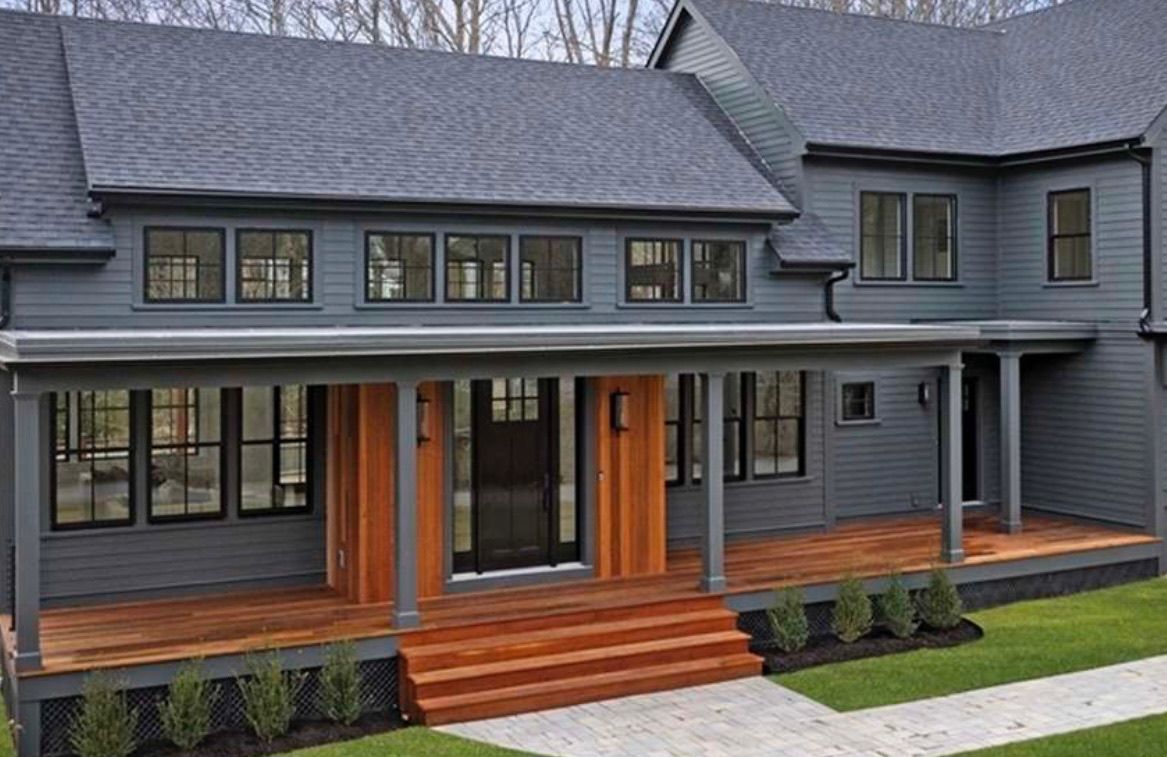
You need more space. The kids are growing, you work from home now, or maybe you're taking care of aging parents. In Greater Boston, you have two options: build an addition or buy a bigger house. In today's market, the math increasingly favors staying and building.
The Cost of Moving in Greater Boston (2026)
Let's add up the real costs of buying a bigger home in the Boston market:
- Higher purchase price: In most Boston-area towns, "upgrading" to a home with 1–2 extra bedrooms means spending $150K–$400K more.
- Closing costs: Figure 2–5% of the purchase price as a buyer, plus selling costs on your current home (typically 5–6% for agent commissions). On a $700K purchase, that's $50K–$75K in transaction costs alone.
- Moving expenses: Movers, storage, temporary housing — budget $5K–$15K.
- Renovation of new home: Ironically, most "bigger" homes still need updating. Budget another $20K–$50K to make it yours.
- Higher property taxes: A pricier home means permanently higher taxes.
- Mortgage rate reset: If you locked in a low rate in 2020–2021, you'd lose it. At today's rates, the monthly payment increase can be substantial.
Total real cost of moving: $225K–$540K+ when you add it all up.
The Cost of a Home Addition in Boston
A home addition in Greater Boston typically costs:
- Single-room bump-out: $50K–$90K
- Two-room addition (bedroom + bathroom): $100K–$180K
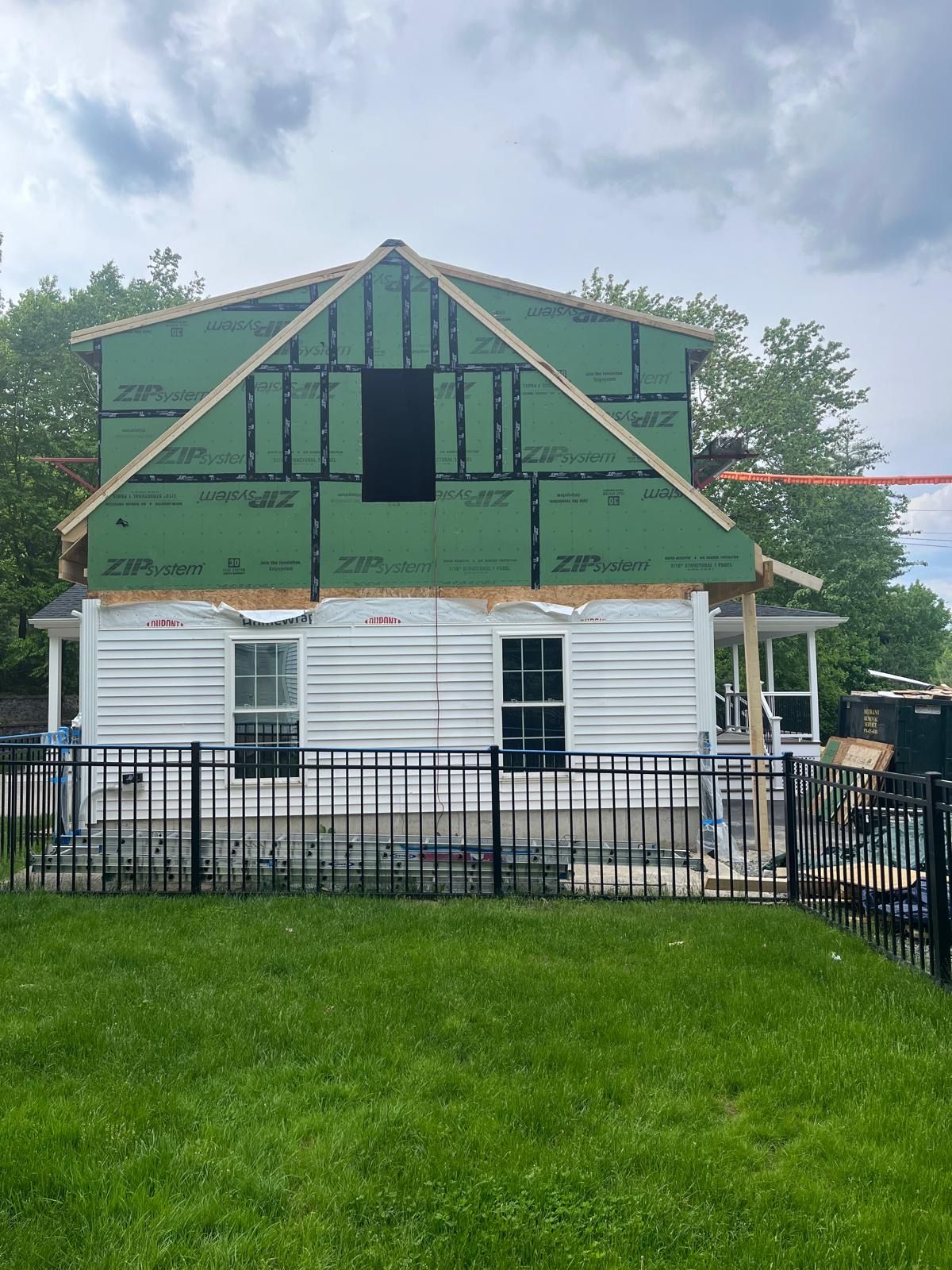
- Second-story addition: $150K–$300K
- In-law suite / ADU: $120K–$250K
Even a substantial addition is often significantly cheaper than moving — and you keep your neighborhood, your schools, your commute, and your existing mortgage rate.
Ready to discuss your project?
Factors That Favor Building an Addition
- You love your neighborhood. In towns like Newton, Brookline, and Wellesley, being established in a great neighborhood is worth a lot.
- Your lot has room. If setback requirements allow expansion, an addition makes sense.
- You have a low mortgage rate. Giving up a 3% rate for a 6.5% rate dramatically increases monthly costs, even if the purchase price is similar.
- You need specific space. An addition lets you design exactly what you need — a home office, in-law suite, or master suite — rather than compromising with a different house's layout.
Factors That Favor Moving
- Your lot won't support an addition. Zoning setbacks, lot coverage limits, or septic constraints may prevent building.
- The house has fundamental problems. If the foundation, structure, or systems are failing, investing in an addition on a deteriorating house doesn't make sense.
- You want a completely different lifestyle. If you're downsizing, changing towns, or want something dramatically different, moving is the answer.
Frequently Asked Questions
Does a home addition increase property value?
Yes. Well-built additions in the Boston area typically recoup 50–70% of costs at resale. A second-story addition can transform a starter home into a family home, dramatically increasing its market value.
How long does it take to build an addition?
Most additions take 3–6 months from breaking ground to completion. Planning, design, and permitting add another 2–3 months before construction starts. Start the process 5–6 months before you need the space.
Can I live in my home during the addition?
In most cases, yes. Bump-outs and second-story additions are built from the outside in, with the existing home sealed off during construction. Our home addition team works to minimize disruption to your daily life.
Ready to discuss your project?