Building permits are one of those things every homeowner dreads dealing with — but they exist for good reason. In Massachusetts, the permitting process ensures your renovation is safe, up to code, and properly inspected. Here's a plain-English breakdown of everything you need to know.
When Do You Need a Building Permit?
In Massachusetts, you generally need a permit for any work that involves:
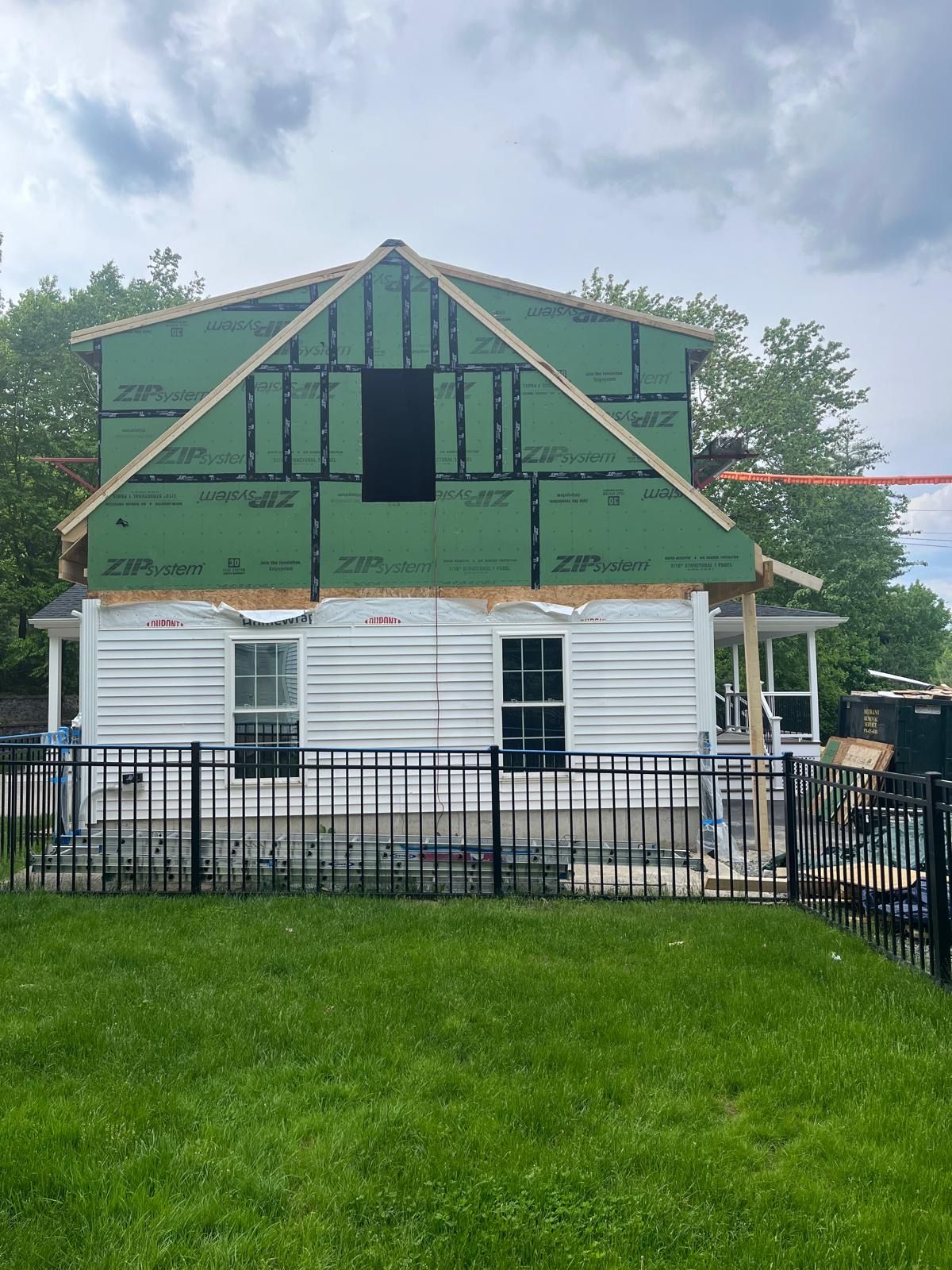
- Structural changes: Removing or modifying load-bearing walls, adding rooms, building additions
- Electrical work: New circuits, panel upgrades, rewiring
- Plumbing: Moving or adding fixtures, water heater replacement
- Roofing: Full roof replacement (not just repairs)
- Windows and doors: Changing the size or location of openings
- Decks and porches: New construction or significant structural repair
- Finished basements: Converting unfinished space to livable area
You typically do not need a permit for cosmetic work: painting, flooring, cabinet replacement (without plumbing/electrical changes), or landscaping.
How the Permitting Process Works
The typical process for a residential project in Massachusetts:
- Step 1: Application. Your contractor submits plans to the local building department. This includes scope of work, site plans, and sometimes engineering drawings for structural work.
- Step 2: Review. The building inspector reviews the plans for code compliance. Simple projects may be approved same-day; complex ones take 1–3 weeks.
- Step 3: Permit issued. Once approved, the permit must be posted visibly at the job site.
- Step 4: Inspections. Work is inspected at key stages — rough framing, rough plumbing/electrical, insulation, and final. Each must pass before proceeding.
- Step 5: Certificate of occupancy. For additions and new construction, a final CO is required before the space can be used.
Ready to discuss your project?
What Do Permits Cost?
Permit fees in Massachusetts are set by each municipality and are typically based on the project's construction value. Expect:
- Small projects (bathroom, kitchen): $100–$500
- Medium projects (basement, deck): $300–$1,000
- Large projects (addition, new construction): $1,000–$5,000+
Some municipalities in the Greater Boston area — including Boston, Cambridge, and Somerville — also require separate permits for electrical, plumbing, and gas work, each with their own fees.
What Happens If You Don't Get a Permit?
Skipping permits is a costly gamble:
- Fines: Massachusetts municipalities can fine you for unpermitted work and require you to obtain retroactive permits (which cost more).
- Forced removal: In extreme cases, the building department can require you to tear out unpermitted work.
- Insurance issues: Homeowner's insurance may deny claims related to unpermitted work.
- Sale complications: Unpermitted work must be disclosed during a home sale and can derail transactions. Buyers and their lenders will flag it.
Your Contractor Should Handle Permits
A reputable general contractor handles the entire permitting process — applications, fees, inspections, and sign-offs. This is standard practice and should be included in your contract. If a contractor tells you to pull your own permits or suggests skipping them, that's a major red flag.
Frequently Asked Questions
How long does it take to get a permit in Massachusetts?
Simple projects (deck, bathroom, kitchen) are often approved within 1–5 business days. Complex projects requiring zoning review, like home additions or new construction, can take 2–6 weeks or more depending on the municipality.
Do I need a permit to replace my roof?
Yes — a full roof replacement requires a building permit in most Massachusetts towns. Simple repairs (patching, replacing a few shingles) generally do not.
Can I get a permit as a homeowner?
Massachusetts allows homeowners to pull permits for work on their own primary residence. However, electrical and plumbing permits must be pulled by licensed electricians and plumbers respectively.
Ready to discuss your project?