Back to BlogADU GUIDES

The New Massachusetts ADU Law Explained: What You Can Build By Right (2026)

July 18, 20269 min read
The New Massachusetts ADU Law Explained: What You Can Build By Right (2026)

For decades, building an in-law apartment or backyard cottage in Massachusetts meant begging your zoning board for a variance — and usually losing. That era is over. Under the Affordable Homes Act, accessory dwelling units (ADUs) became legal by right on single-family lots statewide in February 2025. It is the biggest change to residential zoning in Massachusetts in a generation, and homeowners from Boston to the suburbs are already taking advantage.

What the Law Actually Allows

  • One ADU per single-family lot, by right. No special permit, no variance, no discretionary board approval. If your ADU conforms to the rules, the town must issue a standard building permit.
  • Up to 900 square feet — or half the gross floor area of your main house, whichever is smaller. A 2,400 sq ft colonial can host a full 900 sq ft ADU; a 1,500 sq ft ranch is capped at 750 sq ft.
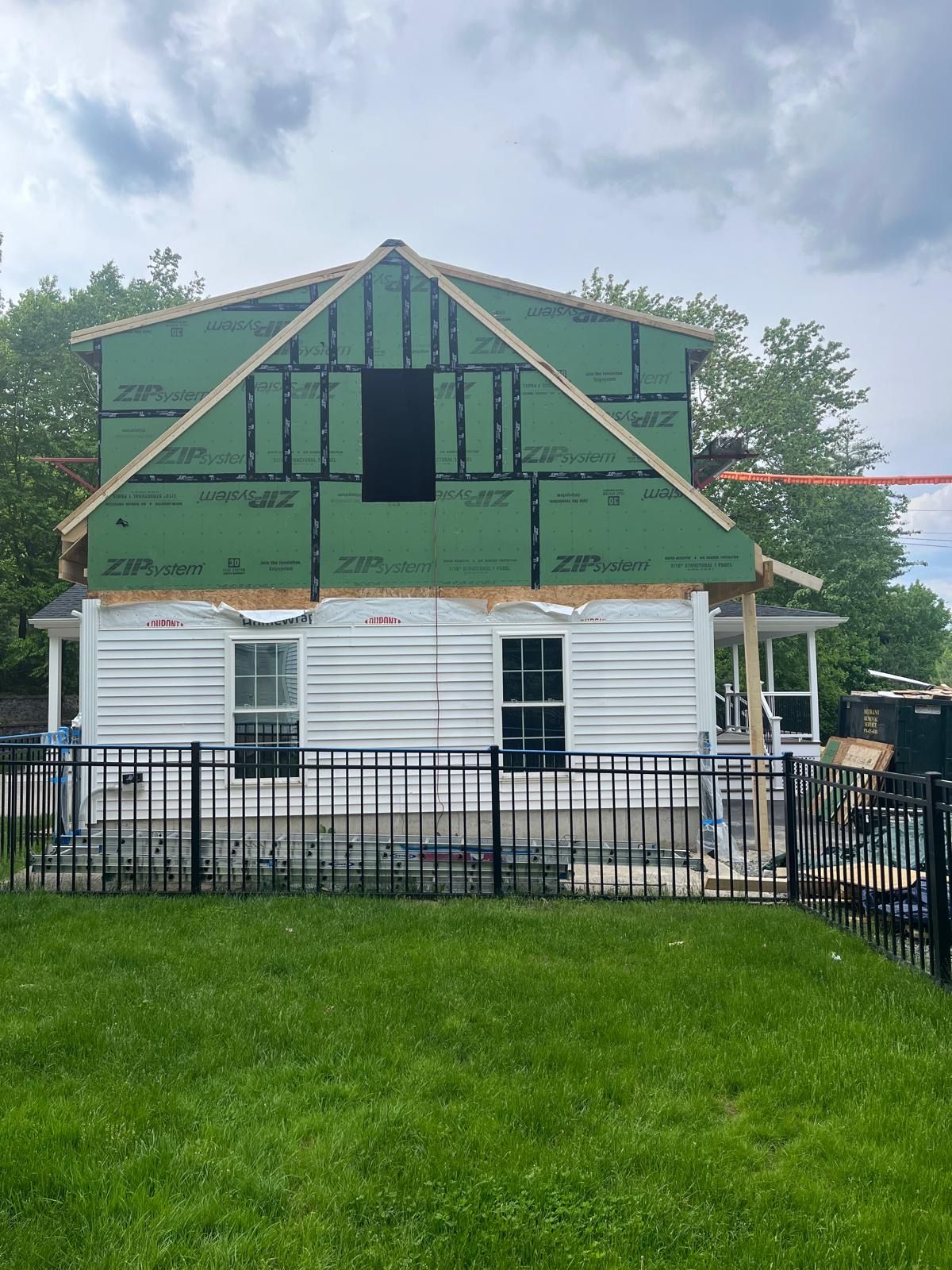
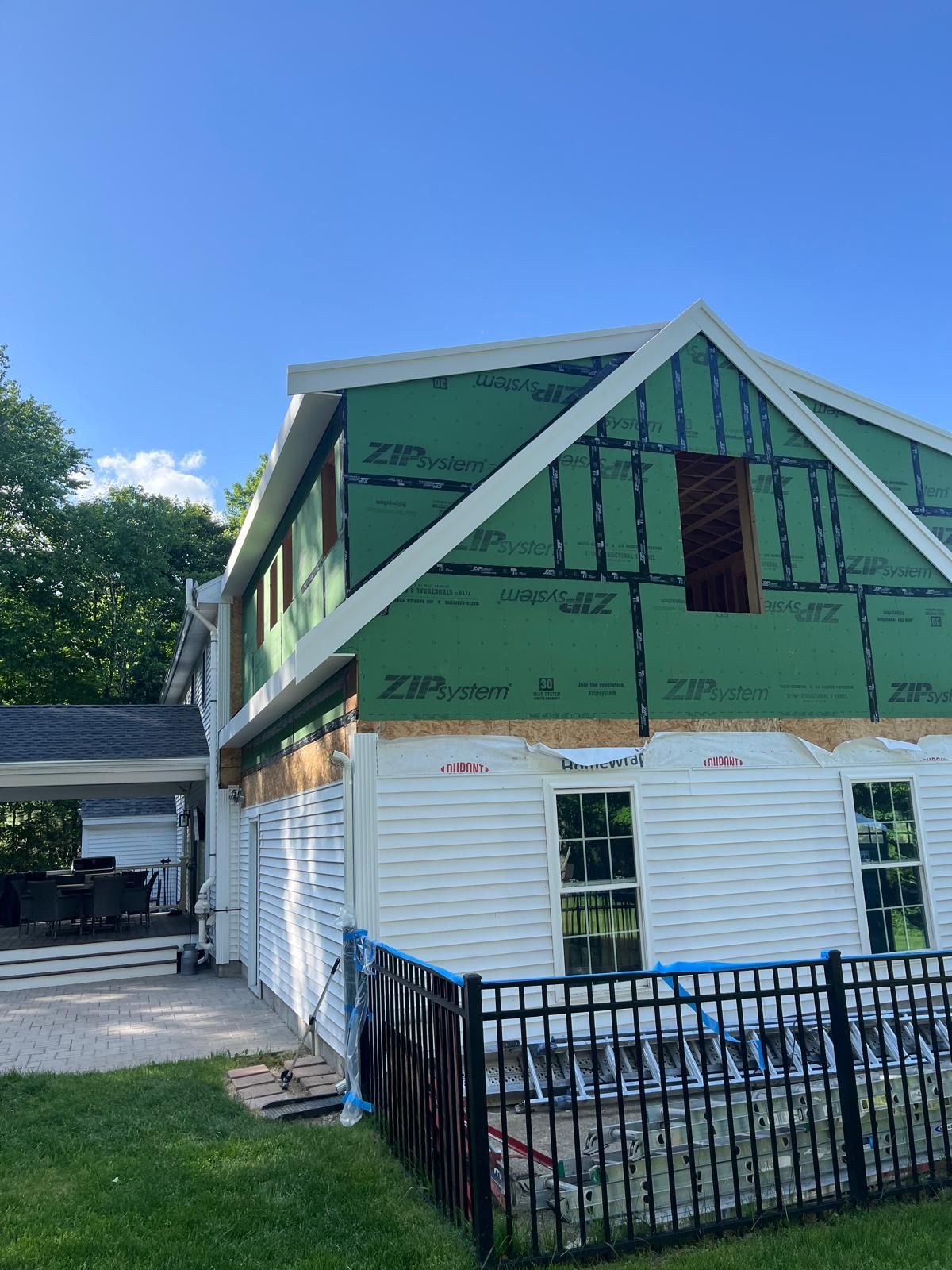
  • Any configuration: detached backyard cottage, attached addition, garage conversion, or an internal unit like a basement or attic apartment. A separate entrance is required.
  • You do not have to live on the property. Towns can no longer impose owner-occupancy requirements.

What Towns Can No Longer Do

The state's regulations (finalized by EOHLC in January 2025) stripped away the usual local roadblocks. Cities and towns cannot require more than one additional parking space — and zero parking if you're within a half mile of transit. They cannot demand separate utility connections, impose stricter design standards than apply to single-family homes, or cap ADUs below the state size limit.

Local dimensional rules still apply — setbacks, lot coverage, height — the same ones that would govern a garage or addition. That's where a feasibility review earns its keep: the question is rarely whether you can build, but what and where on your lot.

The Fine Print That Matters

  • No short-term rentals. ADUs cannot be rented for stays under 31 days. Long-term tenants, family, or home offices are all fair game.
  • Septic capacity counts. On Title 5 systems, bedroom count drives capacity. Adding bedrooms may trigger a septic upgrade — know this before you design.
  • A second ADU is possible in some towns, but only by special permit where local bylaws allow it.

We break down what each configuration costs in our Massachusetts ADU cost guide, and if you want to know exactly what your lot supports, our ADU construction team does free feasibility reviews.
Ready to discuss your project?

READY TO GET STARTED?

Call us for a free, no-obligation estimate. 25+ years of experience, experienced in-house crews, licensed and insured.