HOW-TO
How to Choose a General Contractor in Massachusetts
9 min read
Massachusetts homeowners pay some of the highest energy costs in the country — but the state also offers some of the best rebate programs. Here are the upgrades that actually make a difference, plus how to take advantage of available incentives.
Many Greater Boston homes — especially those built before 1980 — are seriously under-insulated. Upgrading insulation is often the single most cost-effective energy improvement you can make.
Mass Save rebates: Massachusetts homeowners can get free home energy assessments and up to 75–100% off insulation costs through the Mass Save program.
Old, single-pane or failed double-pane windows are a major source of energy loss and discomfort. Energy-efficient replacement windows with low-E glass and argon fill can reduce energy loss through windows by 25–50%.
Air-source heat pumps have become dramatically more effective in cold climates. Modern cold-climate heat pumps work efficiently down to -15°F — making them viable for New England winters.
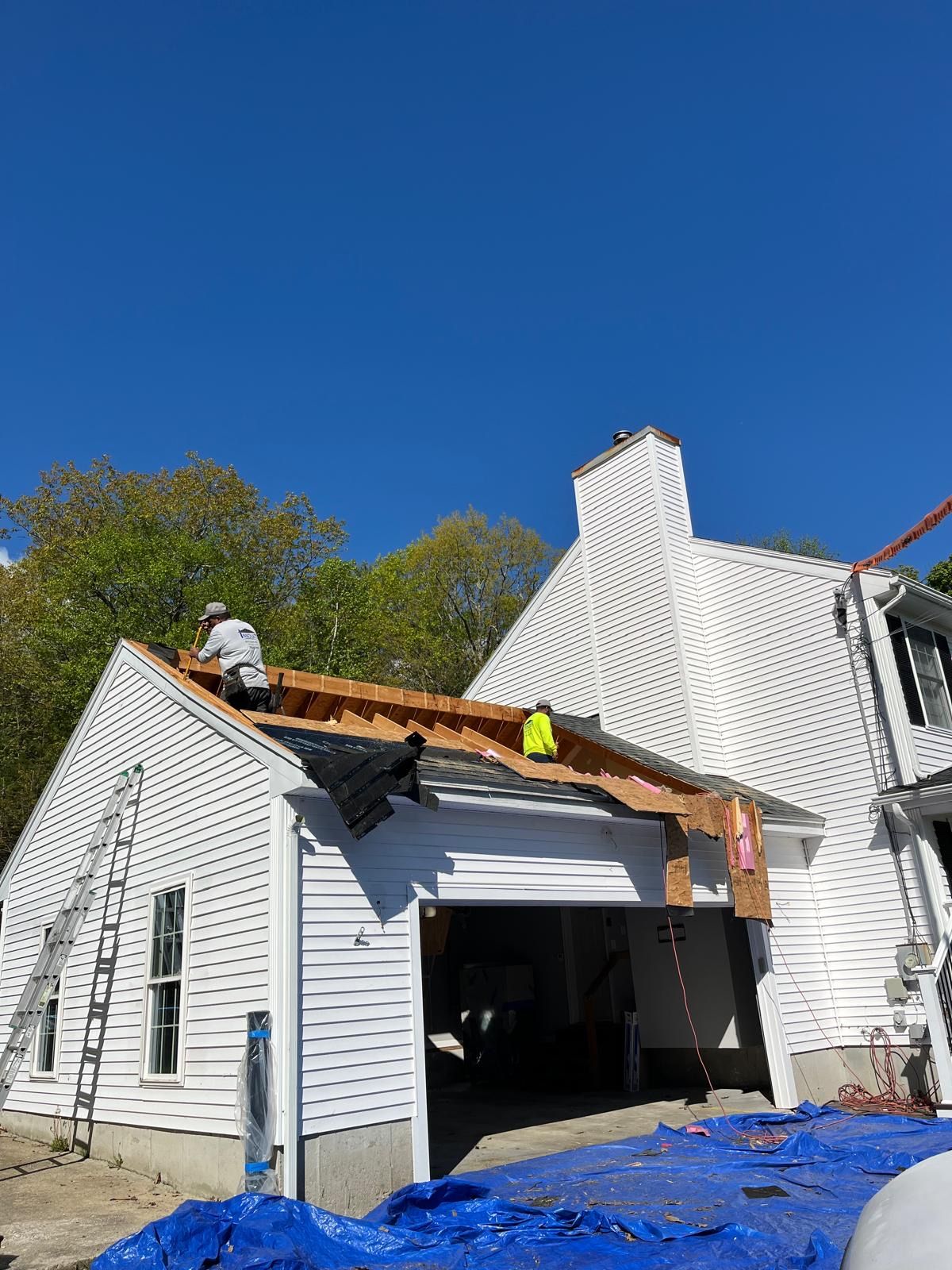
When it's time to replace your siding, adding a layer of rigid foam insulation underneath is a high-value upgrade. This continuous insulation layer eliminates thermal bridging through wall studs and can significantly improve your home's energy envelope.
Sometimes the cheapest upgrades have the biggest impact:
Massachusetts has one of the best residential energy programs in the country. Through Mass Save, homeowners in Boston, Cambridge, Waltham, and across the state can access:
Start with a Mass Save home energy assessment (it's free). They'll identify your biggest energy losses and which upgrades will have the greatest impact. For most older homes, insulation and air sealing come first.
Yes — especially with current rebates. A well-insulated home with heat pumps can reduce heating costs by 25–50% compared to oil or propane. They're also the only system that provides both heating and cooling.
After rebates and tax credits, many upgrades are surprisingly affordable. Insulation is often free or nearly free through Mass Save. Windows qualify for federal tax credits. Heat pumps have $10K in rebates. The payback period on most upgrades is 3–7 years.